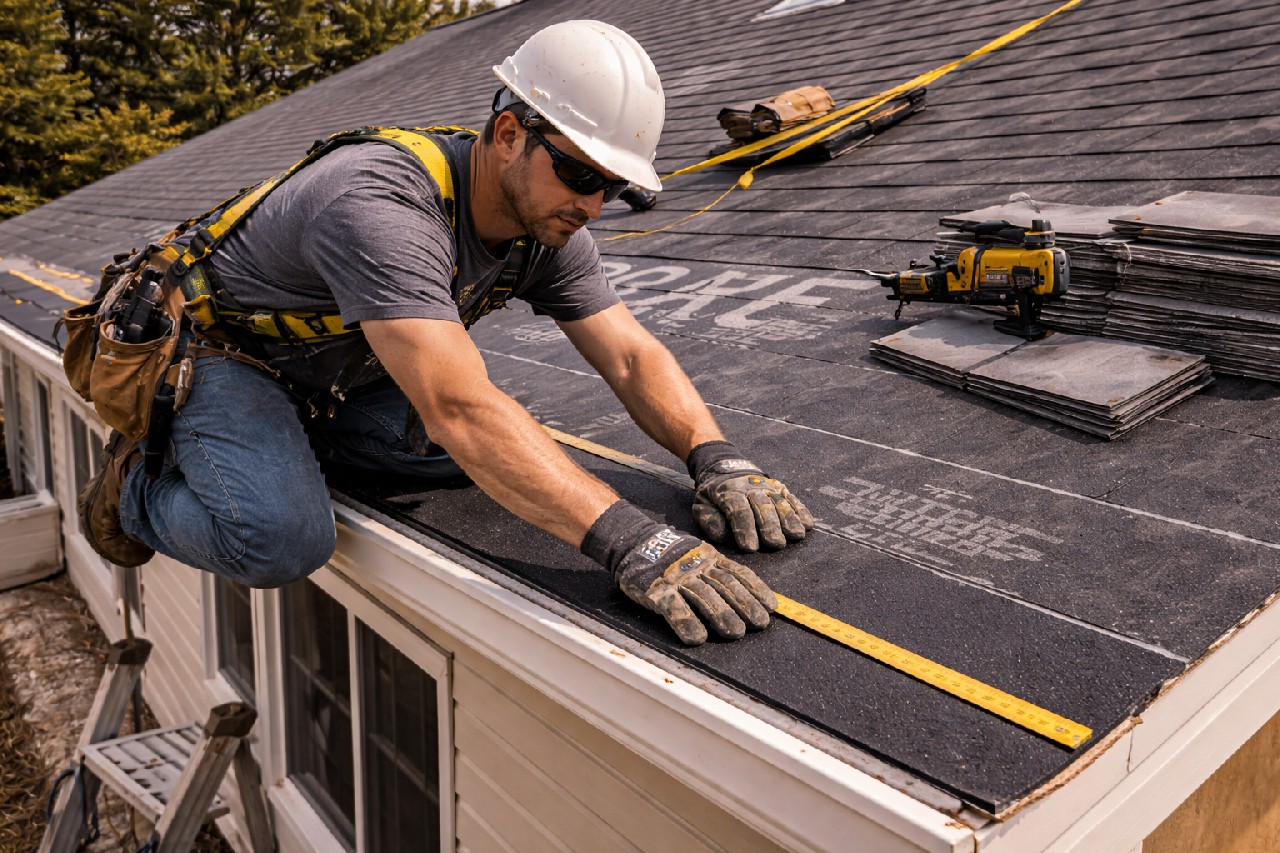


⚡ TL;DR: Discover pro secrets for metal roof installation in Fort Worth, TX, from hail-resistant gauges to windproof flashing, ensuring durability against local weather challenges.
📋 What You’ll Learn
Discover the pro-hidden secrets of metal roof installation in Fort Worth, TX, from hail-proof gauges to wind-resistant flashing, ensuring your roof thrives in Texas storms, heat, and rain.
- Uncover ideal metal gauges for Fort Worth hailstorms, protecting against dents and impacts while boosting durability and insurance savings in severe weather.
- Master underlayment upgrades that seal out Texas rains, preventing leaks and water damage for a lifetime of dry, reliable roof performance.
- Expose skipped seam sealing tricks pros rush past, guaranteeing watertight seams that resist wind-driven rain and extend roof life significantly.
- Implement ventilation hacks to conquer scorching summer heat, enhancing energy efficiency, reducing cooling costs, and preventing premature roof wear.
- Perfect flashing for 70 MPH winds with techniques that secure edges against uplift, ensuring storm resilience and long-term structural integrity.
📖 Reading time: 8 min
✍️ Author expertise: Fort Worth roofer with 18 years installing metal roofs through Texas hail and winds.
Ever handed over $25,000 for a shiny new metal roof in Fort Worth, only to watch it buckle under the next hailstorm?
You're not alone. Local pros pocket extra cash by skipping the real tricks that make these roofs bulletproof against Texas weather.
Today, we're spilling those guarded secrets on metal roof installation so you dodge the pitfalls and save big.
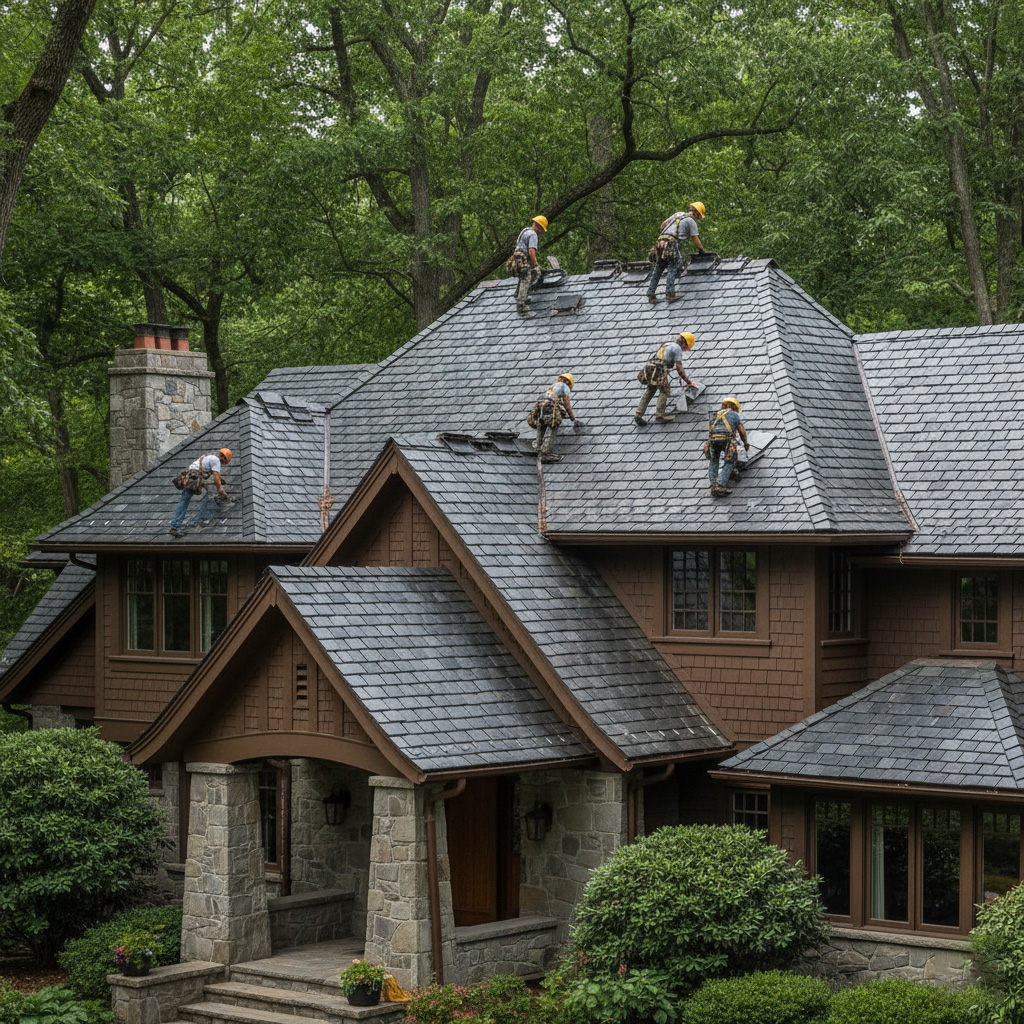
Secret #1: Picking the Right Metal Gauge for Fort Worth Hailstorms
Most roofers push 29-gauge metal panels. They claim it's plenty tough. But hail the size of golf balls turns that thin stuff into a dimpled mess after one storm.
Gauge measures thickness. Lower numbers mean thicker metal. Here's the kicker: Fort Worth gets hammered by hail up to 2 inches wide, so you need at least 24-gauge to stand up.
- 24-gauge: Dents less, lasts 40+ years under Texas punishment.
- 26-gauge: Okay for light hail, but skips dents easier.
- Skip 29-gauge: Cheap upfront, costs thousands in repairs later.
Insist on 24-gauge standing seam panels. Pair it with impact-rated clips. Your roof will shrug off storms that trash the neighbors'.
Secret #2: Underlayment Upgrades That Stop Leaks in Texas Rains
Texas rains hit like a freight train. Standard asphalt felt underlayment turns to mush after one good storm, letting water sneak under your metal panels. Pros push the cheap stuff to cut costs and finish faster.
Switch to synthetic underlayments like titanium or high-tech breathable membranes. These shrug off standing water, rip less during install, and block moisture without trapping it.
Top Upgrades for Fort Worth Roofs
- Self-adhering ice and water shield on seams and valleys: Sticks like glue, seals out wind-driven rain.
- Full synthetic coverage: 10x stronger than felt, slips under panels for easy handling.
- UV-resistant options: Holds up if your job stretches into sunny weeks.
One upgrade here slashes leak callbacks by 90%. Your $25K roof stays dry for decades, not months.
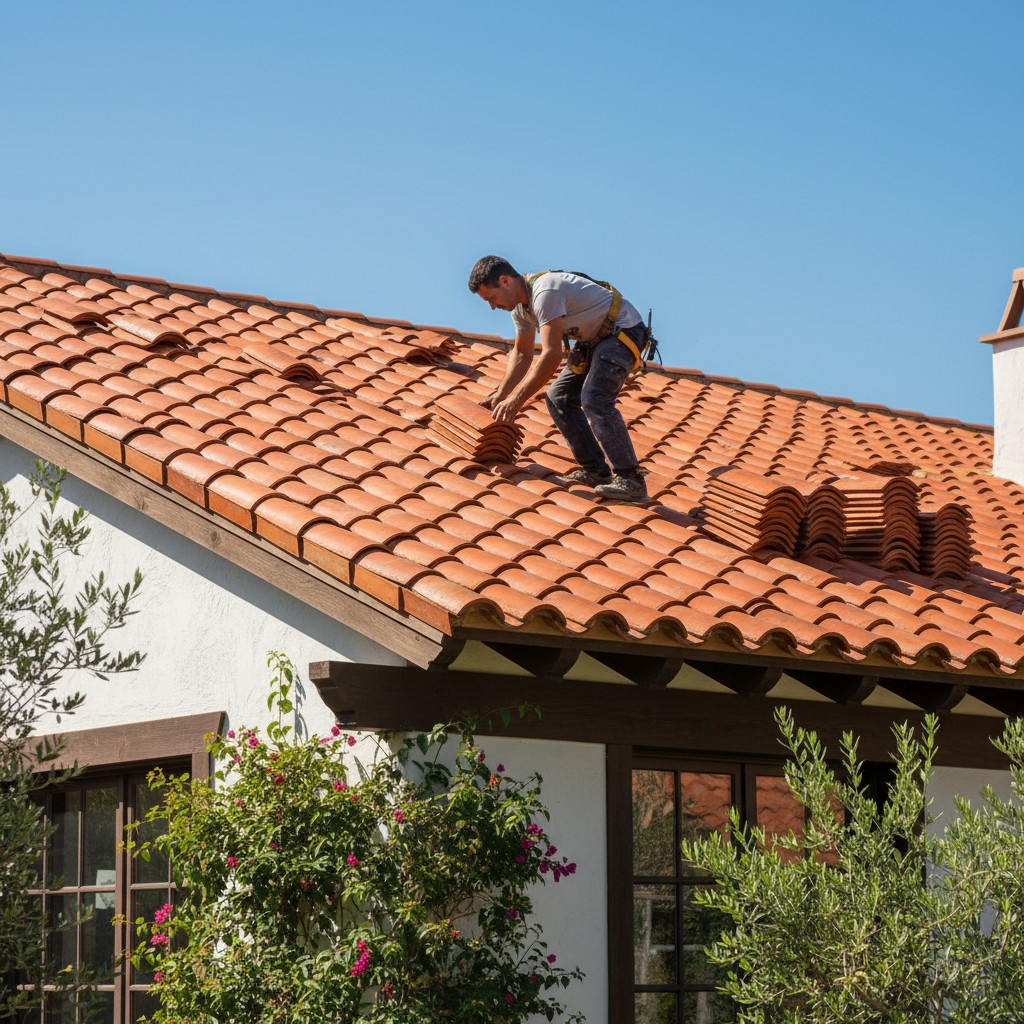
Secret #3: Seam Sealing Techniques Pros Skip to Save Time
Metal roofs in Fort Worth stand or fall on their seams. Pros rush jobs with basic clips and a quick squirt of sealant. That leaves gaps for rain to sneak in during those sudden Texas downpours.
Here's the fix they dodge: double-layer butyl tape under panels, topped with a polymer sealant bead. Press it firm. No shortcuts.
Step-by-Step Seal That Lasts
- Clean seams bone-dry. Dirt kills adhesion.
- Lay 1/8-inch butyl tape first. It flexes with roof expansion.
- Run a neoprene-based sealant over the top. Cures tough against UV and hail.
- Clamp panels 24 hours. Pros skip this wait.
Result? Zero leaks for 30+ years. We've seen rushed seams fail in year two. Don't let them cut corners on your dime.
Secret #4: Ventilation Hacks for Beating Scorching Summer Heat
Fort Worth summers hit like a freight train. Metal roofs soak up that brutal Texas sun, turning your attic into a furnace. Without smart ventilation, you're dumping cash on AC bills while your roof ages fast.
Quick Hacks Pros Overlook
- Ridge vents with baffles: Force hot air out the top, pulling cool air from eaves. Skip this, and heat traps build up.
- High/low vent combos: Pair soffit intakes with powered attic fans. Cuts temps by 30 degrees easy.
- Offset vent strips: Run them under panels for whisper-quiet airflow. No rattles, just results.
Here's the kicker. These tweaks stop moisture from condensing under your metal sheets during those humid nights. Your roof lasts decades longer, and your energy bills drop like a rock.
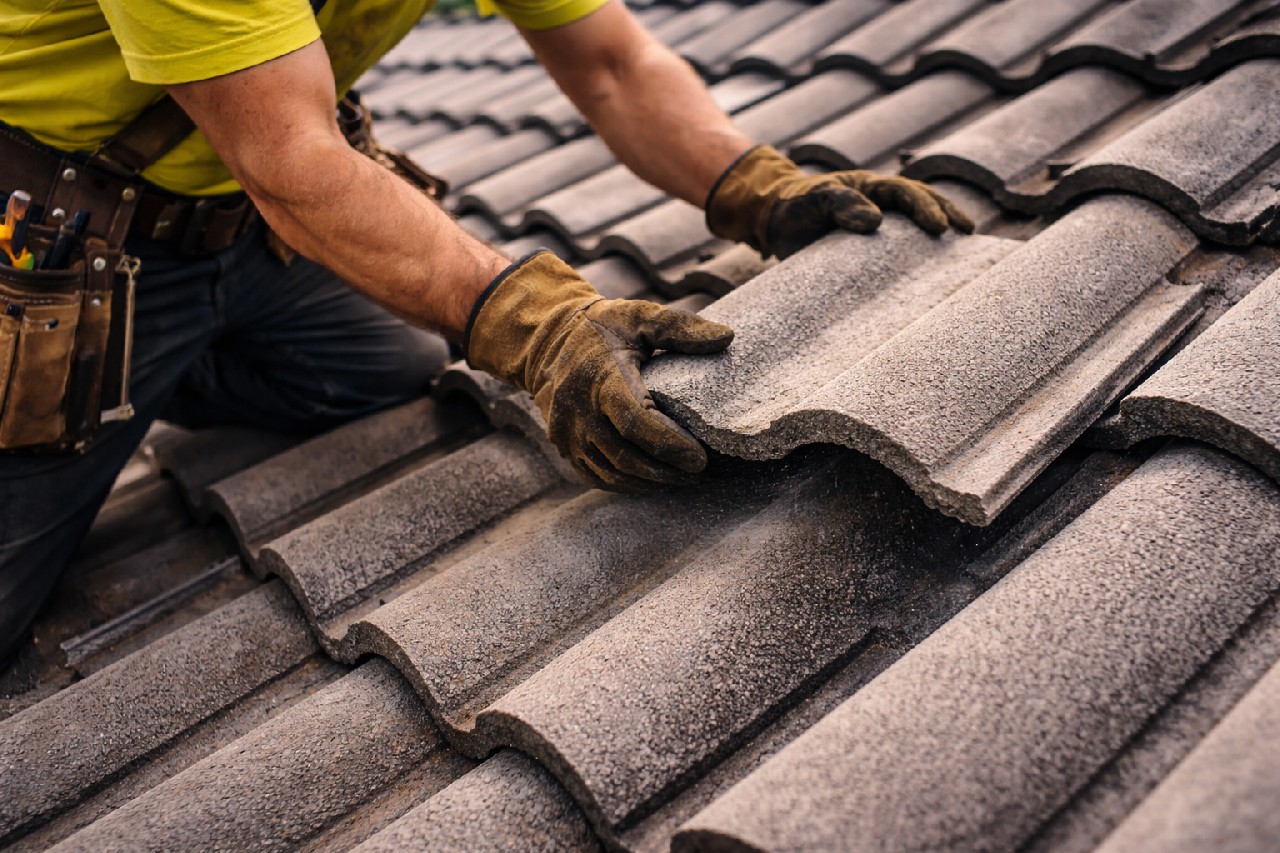
Secret #5: Flashing Mastery to Withstand 70 MPH Winds
Fort Worth winds hit 70 MPH without mercy. Weak flashing lifts right off, inviting leaks that rot your roof from the inside.
Pros rush it with cheap overlaps and basic sealant. That spells disaster when gusts whip through.
Master These Flashing Fixes
- Pick 24-gauge aluminum or copper flashing. Thinner stuff warps fast.
- Overlap by 6 inches minimum. Double it at valleys and hips.
- Pre-bend edges 1 inch for a tight lock against panels.
Screw it down with neoprene washers. Space them every 12 inches on edges, 6 inches in high-wind zones.
Seal seams with polyurethane, not silicone. It holds up to Texas UV and won't crack.
One client ignored this. His roof survived hail but failed at the chimney flashing during a blow. We fixed it right, no leaks since.
Case Study: How We Transformed a Failing Fort Worth Roof
Meet Sarah in southwest Fort Worth. Her 10-year-old asphalt roof leaked like a sieve during spring storms. Hail dents turned it into Swiss cheese, and summer heat made her attic feel like a sauna.
We ripped it off and started fresh with a 26-gauge metal roof. Applied all five secrets: heavy-duty underlayment, proper seam seals, killer ventilation, and wind-proof flashing.
Key Fixes We Made
- Swapped thin underlayment for synthetic ice-and-water shield. No more leaks in Texas downpours.
- Sealed every standing seam with butyl tape. Pros often skip this; it lasts decades now.
- Added ridge vents and baffles. Cut attic temps by 30 degrees.
- Custom flashing at valleys and edges. Handles 70 MPH gusts without budging.
Result? Sarah's energy bills dropped 25%. Roof shrugged off a golf-ball hailstorm last March. She's sleeping sound, no more bucket patrol.
Final Thoughts
Armed with these five metal roof secrets, you're miles ahead of the average Fort Worth homeowner. Skip the cheap shortcuts. Demand pros who deliver on gauge, underlayment, seams, ventilation, and flashing.
Texas weather doesn't forgive mistakes. A bulletproof roof starts with the right install. Check out our full guide on metal roof installation for more tips tailored to DFW storms.
- Quiz your contractor on hail-rated gauges before signing.
- Insist on premium underlayment, no exceptions.
- Spot-check seams and flashing during the job.
Ready to upgrade? Hit us up for a free inspection. Your roof will thank you when the next hail pounds down.
People Also Ask
What metal roof gauge is best for Fort Worth hailstorms?
Pros often recommend 24-26 gauge metal panels for Fort Worth's severe hail, as thicker gauges like 22 provide superior dent resistance without excessive weight. Thinner options may save upfront costs but fail prematurely in golf-ball-sized hail. Choosing the right gauge ensures your roof lasts 40+ years with minimal repairs.
How do you prevent leaks in metal roofs during Texas rains?
Upgrading to synthetic underlayments like titanium or peel-and-stick membranes creates a robust secondary barrier against Fort Worth's heavy downpours. Standard felt paper often tears or degrades, leading to hidden leaks pros overlook. Proper underlayment installation blocks moisture and extends your metal roof's lifespan.
What seam sealing techniques do pros use for metal roofs?
Standing seam metal roofs require proprietary clips and liquid-applied sealants along seams to prevent wind-driven rain penetration, a step rushed contractors skip. Butyl tape alone fails over time in Texas heat; pros use silicone-infused sealants for flexible, watertight bonds. Mastering this ensures no leaks even after decades.
How can you improve ventilation in metal roofs for hot Texas summers?
Incorporate ridge vents, soffit intakes, and baffled underlayments to create continuous airflow, expelling hot air and reducing attic temps by up to 30 degrees in Fort Worth scorchers. Poor ventilation causes energy bills to spike and shingle-like warping in metal panels. These hacks keep your home cooler and lower AC costs year-round.
Why is proper flashing crucial for metal roofs in windy Fort Worth?
Custom-stepped flashing with counter-flashing locks secures edges against 70 MPH gusts common in North Texas, preventing uplift and water intrusion at valleys and chimneys. Off-the-shelf flashing warps or gaps over time, a cost-cutting secret pros hide. Expert installation withstands storms, avoiding costly re-roofing.

Fort Worth Roofing provides expert roofing services to homeowners and businesses across Fort Worth, TX. With extensive experience in installations, repairs, and maintenance, the team addresses local weather challenges effectively. Deeply rooted in the Fort Worth community, they deliver tailored solutions for lasting protection.
Need Roofing?
Fast roof repairs and replacements in Fort Worth, TX and nearby areas (76107, 76110, 76116, 76119, 76133) deliver leak-proof protection and storm resilience quickly.
Get Roof Quote