

⚡ TL;DR: Discover why proper roof ventilation installation protects Fort Worth homes from heat damage, spot key failure signs, explore suitable types, and choose pro help to save your roof and budget.
📋 What You’ll Learn
In this guide to roof ventilation installation in Fort Worth, you'll uncover why it's essential, key failure signs, hidden risks, top types for Texas heat, and pro installation tips to safeguard your home.
- Understand roof ventilation basics and why Fort Worth homes need it to combat Texas humidity, prevent attic heat buildup, extend shingle life, and cut cooling costs effectively.
- Identify 5 telltale failure signs like excessive attic heat, curling shingles, mold spots, high energy bills, and poor airflow to catch problems before they escalate into major damage.
- Expose dangers of poor ventilation including roof rot, structural weakening, skyrocketing repair bills, energy waste, and health risks from trapped moisture in humid Fort Worth conditions.
- Discover top ventilation types suited for Texas climate such as ridge vents, soffit intakes, powered fans, and whirlybirds that optimize airflow and withstand intense heat and storms.
- Master DIY checks vs. pro install with a Fort Worth roadmap, real case study lessons, and steps to ensure balanced systems for lasting roof protection and savings.
📖 Reading time: 7 min
✍️ Author expertise: Fort Worth roofing pro with 15+ years of hands-on ventilation installs from local field experience.
It's a blistering Fort Worth afternoon, and your attic hits 150 degrees. Sweat drips from the rafters, shingles start to warp, and your AC unit gasps for mercy. One tiny oversight in roof ventilation turns your home into a ticking time bomb.
Ignore it, and you're staring down warped beams, skyrocketing energy bills, and a roof that quits years too soon. Mold creeps in, pests throw a party, and repair costs explode. Disaster doesn't knock; it crashes through.
Your Fort Worth roof deserves better than that slow-motion meltdown. Smart homeowners act before the damage piles up.
Stick around to spot the red flags and nail the fix that saves your roof, slashes bills, and keeps your family cool.

What Is Roof Ventilation and Why Fort Worth Homes Can't Live Without It
Roof ventilation pulls hot air out of your attic and lets cooler air flow in. Think intake vents at the soffits and exhaust vents up top. It creates a steady breeze that fights heat buildup like nothing else.
Picture This in Fort Worth's Brutal Summers
Texas sun hammers down. Your attic turns into a furnace, trapping moisture from our humid air. Without proper vents, that heat cooks your shingles and rots your wood from the inside.
Fort Worth homes skip this at their peril. Shingles age twice as fast in poor airflow. Energy bills spike as your AC battles the oven above.
- Shingles last longer with even temperatures.
- Mold stays out when humidity drops.
- Pests hate the dry, moving breeze.
- Your roof outlives the neighbors by years.
5 Telltale Signs Your Fort Worth Roof Ventilation Is Failing Fast
Your roof whispers warnings before it screams. Spot these clues early, and you dodge a gut-punch repair bill.
Here are the five dead giveaways that scream "fix me now" in Fort Worth's brutal summers.
- AC bills climbing like Texas crude. Poor airflow traps heat in your attic. Your unit runs nonstop, guzzling power.
- Attic hotter than a jalapeño-eating contest. Stick a thermometer up there. Over 130 degrees means ventilation's toast.
- Shingles curling or cracking early. Heat bakes them brittle. Check your roofline for that telltale warp.
- Mold spots or musty attic smells. Humidity builds without escape routes. Peek inside; black streaks spell trouble.
- Ceiling stains or wet insulation. Condensation drips down. It's the first sign your roof's sweating bullets.
Ignore one, and they snowball. Call in pros before your wallet feels the burn.
The Hidden Dangers: How Poor Ventilation Wrecks Your Roof and Wallet
Poor ventilation traps hot air and moisture in your attic like a pressure cooker. Shingles bake unevenly. Your roof ages five to ten years faster than it should.
Roof Damage That Hits Hard
- Shingles crack and curl from extreme heat cycles.
- Wood rafters rot silently as trapped humidity soaks in.
- Mold blackens insulation, turning it to worthless mush.
Energy bills spike first. Your AC runs nonstop to fight attic heat bleeding downstairs. Then come the big hits: full roof replacements costing $10,000 or more.
Pests love the party too. Termites chew weakened beams. Rats nest in soggy insulation. One unchecked vent failure snowballs into a home nightmare.
Top Roof Ventilation Types Perfect for Texas Heat and Humidity
Texas summers hit hard. Your Fort Worth roof needs vents that battle heat and trap moisture without mercy. Pick wrong, and you're back to square one.
Ridge Vents: The Stealth Champions
These run the full length of your roof peak. Hot air escapes naturally up top. Pair them with soffit vents below for killer airflow.
- Best for: Asphalt shingle roofs common in Fort Worth.
- Quiet. No moving parts.
- Cuts attic temps by 30 degrees or more.
Turbine and Power Vents: Muscle for Extreme Days
Turbine vents spin with wind, pulling heat like a chimney on steroids. Power vents kick on with electricity, dominating still, humid air. Solar versions run free on sunshine – perfect for our endless Texas blaze.
Go turbine if you hate electric bills. Power vents shine in tight attics. Pro tip: Balance intake and exhaust vents, or you'll fight the system.
Gable and Soffit Vents: The Reliable Duo
Gable vents punch holes in attic ends for cross-breeze magic. Soffits under eaves feed cool air in low. Simple, cheap, and tough against humidity.
- Ideal starter for older Fort Worth homes.
- Easy to add during re-roof.
- Watch for bugs – screen them tight.
DIY Checks vs. Pro Installation: Your Fort Worth Ventilation Roadmap
Spot Trouble Yourself: Fast DIY Inspection Steps
Grab a flashlight and ladder. Head to your attic on a hot day.
Check for these red flags right now:
- Stuffy air that smells musty or like wet wood.
- Dark streaks or rust stains near vents.
- Shingles curling up or gaps in the roofline.
- AC running overtime while rooms stay warm.
Found any? Note them down. This tells you if it's time to call in the cavalry.
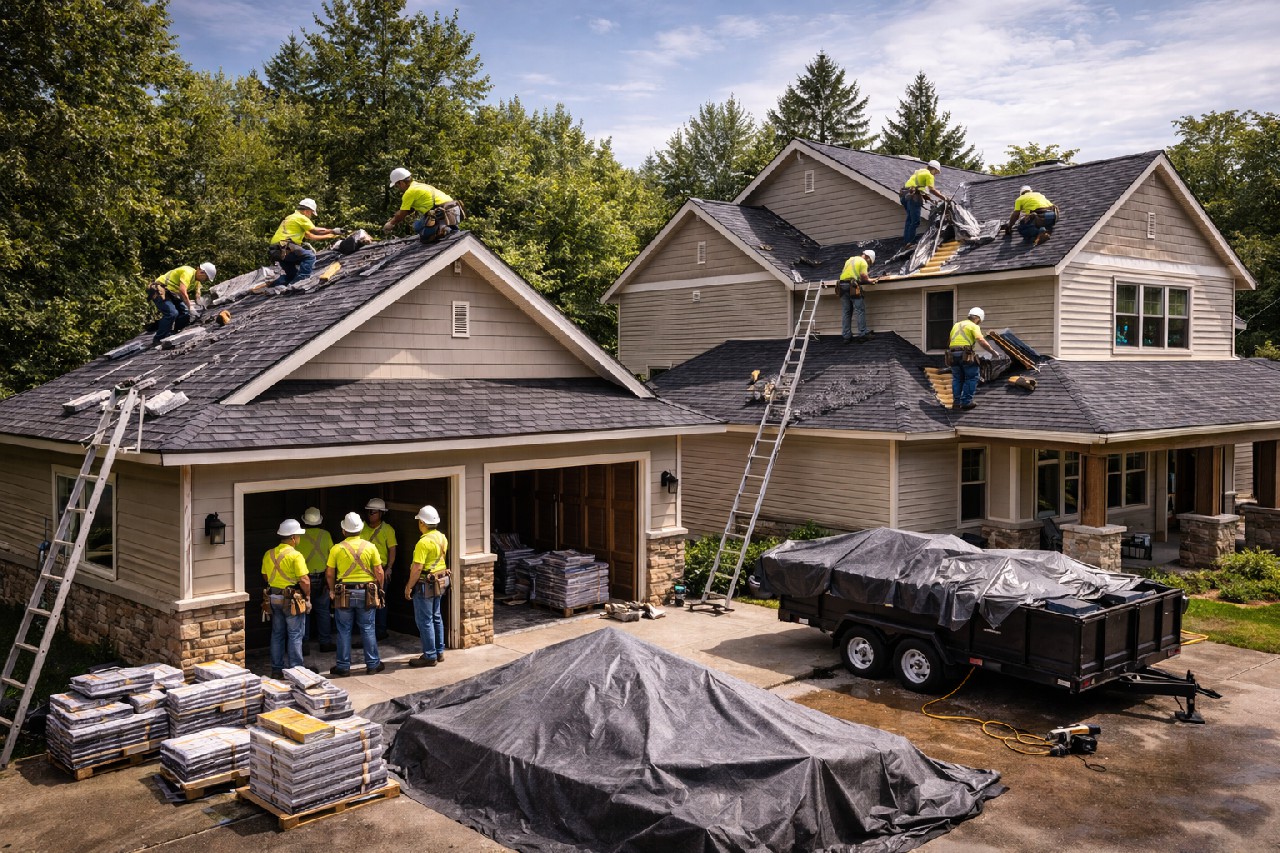
Skip the Gamble: Hand It to Fort Worth Roof Pros
DIY spots the smoke. Pros put out the fire.
Here's why skipping amateurs pays off big:
- Precision installs match Texas codes and your roof type.
- No guesswork on vent sizing for our brutal humidity.
- Spot hidden rot or structural woes before they spread.
- Warranty-backed work that lasts through hail storms.
Your quick check buys time. Pros deliver the fix that locks in savings for years.
Case Study: Rescuing a Fort Worth Family's Roof from Ventilation Collapse
Meet the Garcias, a busy Fort Worth family in the Wedgwood neighborhood. Their 20-year-old ranch-style home baked under Texas summers. Attic temps topped 140 degrees, shingles curled, and energy bills doubled.
Shingles peeled early. Mold spotted the attic walls. Pests nested in the moist chaos. Mrs. Garcia spotted buckling ceiling paint first - a sure sign ventilation failed.
Diagnosis and the Quick Fix
- No ridge vents: Heat trapped like a sauna.
- Clogged soffit vents: Blocked airflow from eaves.
- Undersized exhaust fan: Barely moved stale air.
Our crew inspected in under an hour. We ripped out the junk and installed a ridge vent system with powered attic fans. Total job: two days, minimal disruption.
Post-install, attic temps dropped 50 degrees. Bills fell 30%. Shingles straightened. The Garcias slept cooler, saved thousands, and dodged a full roof tear-off.
Final Words: Ventilate Now and Roof Strong for Years
Your Fort Worth roof doesn't have to suffer through another sweltering season. Act fast on ventilation fixes, and you'll dodge those brutal repair tabs while your home stays cool and solid. Delay, and the damage snowballs.
Spot the signs we covered? Grab your phone. Our Roof Ventilation Installation team delivers pro results that pay off for decades.
- Save 20-30% on cooling costs right away.
- Boost shingle life by years, not months.
- Stop moisture madness before it starts.
One call today locks in peace of mind tomorrow. Your family's comfort hangs in the balance. Make the move.
People Also Ask
How do I know if my Fort Worth home needs better roof ventilation?
Look for signs like excessive attic heat, shingle damage, or higher energy bills during Texas summers. Poor ventilation traps moisture and heat, leading to mold and roof decay. A professional inspection can confirm issues specific to Fort Worth's humid climate.
What are the signs of failing roof ventilation in Fort Worth homes?
Common indicators include curling shingles, attic condensation, and musty odors from trapped humidity. In Fort Worth's intense heat, you'll notice ice dams in winter or premature roof aging. Addressing these early prevents costly repairs.
Why is roof ventilation so important in Fort Worth's climate?
Fort Worth's scorching summers and humid conditions amplify heat buildup in attics, stressing roofs and HVAC systems. Proper ventilation reduces energy costs by up to 30% and extends roof life. It also prevents moisture-related issues like wood rot common in Texas.
What types of roof vents work best for Texas heat and humidity?
Ridge vents paired with soffit vents provide continuous airflow ideal for Fort Worth homes. Turbine or power vents excel in high-humidity areas for active exhaust. Consult local experts to match vent types to your roof pitch and attic size.
How much does roof ventilation installation cost in Fort Worth?
Costs range from $500 to $2,500 depending on home size, vent type, and existing setup. Factors like accessibility and materials influence pricing in the Fort Worth area. Professional installation ensures code compliance and long-term savings.

Fort Worth Roofing delivers expert roofing services with extensive experience serving the Fort Worth area. Their skilled team handles repairs, replacements, and installations designed for local homes and businesses. Deeply rooted in the community, they focus on quality work suited to North Texas weather.
Need Roofing?
Fast roof repairs and replacements in Fort Worth, TX and nearby areas (76107, 76110, 76116, 76119, 76133) deliver leak-proof protection and storm resilience quickly.
Get Roof Quote